

Social media’s impact on shopping is remarkable. The numbers tell an interesting story – 39% of consumers buy through Facebook, 36% through TikTok, and 29% via Instagram. These statistics show how social media has become vital to business success.
Short-form videos dominate social networks, with 81% of viewers preferring them. Managing content and timing can feel overwhelming without proper planning. A social media content calendar stands as a cornerstone of any serious marketing strategy.
This piece will show you how to build a social media content calendar that delivers results. You’ll learn to plan weekly and monthly content views. We’ll help you organize evergreen content that stays valuable over time. The goal is to make your social media efforts smooth and effective.
Your content calendar will serve as your team’s central hub for ideas and schedules. It helps schedule posts automatically at the best times to reach your audience. You’ll find a clear path to create an effective calendar. Better yet, we’re offering a customizable template that adapts to your brand’s needs.
Want to turn your social media strategy from chaotic to consistent? Let’s take a closer look!
Table of Contents
What is a Social Media Content Calendar?

Image Source: Biteable
A social media content calendar helps you plan, manage, and schedule your posts on platforms of all sizes. Think of it as your roadmap that brings structure to your publishing schedule and builds an engaging online presence.
Your calendar works as the central hub for your social strategy – a place where content plans come together. This organizational system lets you map out your social media content ahead of time, usually at least a month in advance, instead of rushing to create posts at the last minute.
What’s included in a social media content calendar?
A detailed content calendar needs several key elements:
- Publish dates and times for each post
- Platform designation (where each post will appear)
- Content type and format (image, video, carousel, etc.)
- Actual post copy and captions
- Links, hashtags, and @-mentions
- Media assets like images and videos
- Post status (drafted, approved, scheduled)
- Campaign or theme tags
Your calendar can take many forms based on your needs. Some teams use digital calendars or simple spreadsheets. Others prefer dedicated social media management platforms with interactive dashboards and scheduling features. The format matters less than finding a system that works well for your team.
A well-laid-out content calendar does more than just schedule posts. Team members can see when they need to create content. On top of that, it helps you plan content around important dates, product launches, promotions, and seasonal campaigns. Nothing gets lost in the shuffle.
Knowing how to stay consistent is crucial to build trust and credibility with your audience. Planning ahead creates a structured approach that prevents random posting and builds a reliable presence on your chosen platforms.
There’s another reason why calendars work so well – they give you a historical view. Your calendar tracks everything you’ve published. You can see which topics you’ve covered, keep content fresh, and balance different content types. This view also makes it easier to analyze performance and spot what works.
Teams managing multiple platforms find calendars even more valuable. Each network needs different content formats, posting frequencies, and audience approaches. Your calendar keeps everything organized across channels and maximizes each platform’s strengths.
The strategic benefits go beyond daily management. Your social media content calendar connects your brand’s goals, campaigns, and messaging. Every post supports your broader marketing efforts and business goals rather than just filling space.
Your calendar makes shared work smoother. Team members review upcoming content, give feedback, and suggest improvements before posts go live. This cooperative approach creates better content that serves your audience and organizational goals.
As your social media presence grows, you’ll find a content calendar becomes essential. It adds purpose and planning to your efforts while keeping room for creativity and quick changes – exactly what you need to build a social presence with real impact.
✨ Create Social Media Posts & SEO Blog Articles with AI
Runnwrite AI is your all-in-one content creation platform. Generate engaging social media posts for Instagram, LinkedIn, Facebook, TikTok & YouTube PLUS SEO-optimized blog articles in seconds.
Set Clear Goals for Your Calendar
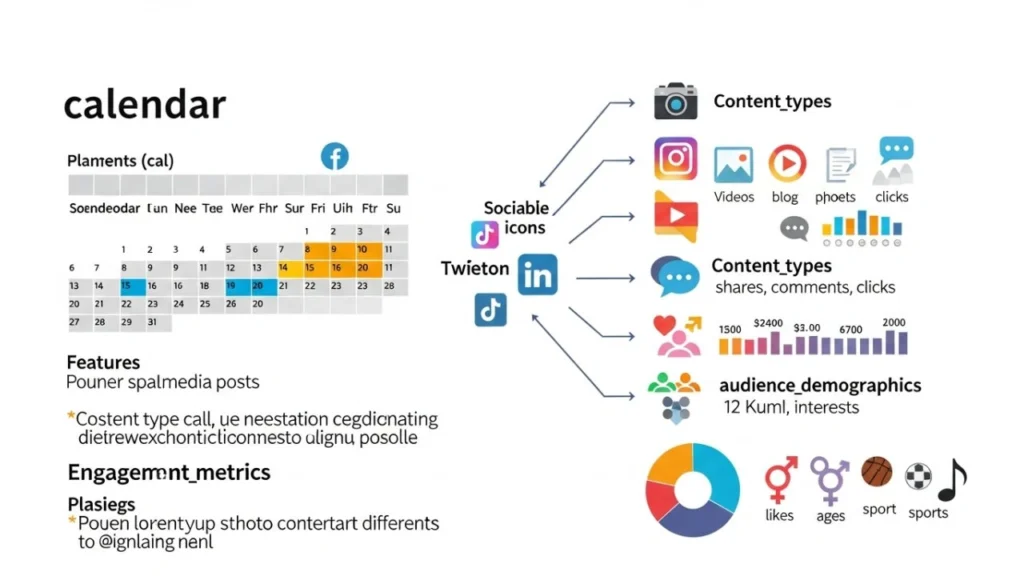
Image Source: Small Business Trends
A strategic success in social media starts with setting goals for your content calendar. You can’t measure results or prove ROI without clear objectives – you’re just posting content into the void.
Define your content objectives
You need to figure out what your social media efforts should accomplish. Your content objectives should support your organization’s bigger picture. Ask yourself what the end game is. Do you want more brand awareness? More website traffic? More leads? Better sales numbers?
Break down your main direction into specific content objectives. To cite an instance, if brand awareness matters most to you, you might want to boost your reach and impressions. If sales growth is your target, your content should focus on getting more clicks and conversions.
Be specific with your goals. Don’t just say “grow our audience.” Create clear targets like “increase Instagram followers by 10% in the next 90 days.” This clarity gives your content calendar a clear path forward.
Line up goals with business outcomes
Your social media goals should lead to real business results. Research shows that social teams get more investment from leadership when they can show how their campaigns help achieve business goals. This link proves social media’s worth beyond just surface-level metrics.
Each platform should help your business grow:
- Awareness goals: Boost brand visibility and reach
- Engagement goals: Build interactions and community
- Conversion goals: Get leads, sales, or sign-ups
- Retention goals: Create loyalty and lasting relationships
Let’s say you want more customers. Your social calendar should focus on content that spreads awareness and attracts new followers. But if you care more about keeping current customers happy, schedule content that involves your community and builds stronger bonds.
Note that 70% of people who follow a brand on social media plan to buy from them soon or later. This shows why growing your follower count – often seen as just a vanity metric – can mean real business growth.
Set measurable KPIs for each platform
Users interact differently on each platform, so you need specific KPIs for each one. What gets results on Instagram might flop on LinkedIn, so you need custom metrics for every channel.
Track impressions, reach, and share of voice for awareness goals. For community building, watch your comments, shares, saves, and viewing time. Business impact shows in click-through rates, conversions, and revenue from social media.
The SMART framework helps create effective KPIs:
- Specific: Set clear targets (get 500 new followers)
- Measurable: Use trackable metrics
- Attainable: Set realistic goals based on your resources and industry standards
- Relevant: Link each KPI to bigger business goals
- Timely: Set deadlines
Check how your calendar performs against these KPIs regularly. Social media changes faster, so your measurement approach should too. Don’t stick to metrics that no longer match your business needs – adjust your strategy when needed.
Clear goals and metrics turn your social media content calendar from a basic scheduling tool into a powerful business asset that delivers real results.
Audit Your Existing Content and Channels
Your social media performance needs a good look before you create a new content calendar. A full audit shows what works, what doesn’t, and where you’ll find the best opportunities.
Review past performance
You need to understand your data to manage social media well. Your efforts and strategy decisions need regular analysis to make sense.
Your social channels need analysis of these key metrics:
- Engagement rates: Look at likes, comments, shares, and saves
- Reach and impressions: How many people are seeing your content
- Click-through rates: Are people taking action beyond engagement
- Conversion metrics: Sign-ups, downloads, or purchases from social
Your top-performing content will show patterns. Different formats like photos, videos, and carousels might get different levels of interaction. Posting time could affect performance. Some topics might consistently connect with your audience.
Social media management platforms make this process easier. You can see all your analytics in one place with tools like Sprout Social. This helps you compare how different content types perform separately and together.
Identify gaps and opportunities
Content gaps show where your brand’s content marketing strategy or digital customer experience needs work. These gaps give you chances to build a stronger social media calendar.
Your existing content needs an internal review. Look for:
- Outdated data and statistics
- Areas with new developments or updates
- Missing secondary keywords
- Underperforming content that needs refreshing
The buyer’s journey should guide your content review. Many brands create lots of awareness content but miss the consideration and decision stages. You should map your posts to these three funnel stages to find any imbalances.
Tools like Google Search Console or social analytics platforms can show what your audience searches for but doesn’t find. Watch what people search on your site and where they go while there.
Analyze competitors’ strategies
A social media competitive analysis helps you see how your brand compares to others by looking at strengths, weaknesses, and social strategies. This shows where you can stand out and improve.
Pick 5-10 key competitors in your space. Record these details for each:
- Active platforms
- Follower counts and engagement rates
- Posting frequency and content types
- Campaigns and themes they focus on
Watch engagement patterns closely. A competitor with an engaged community deserves extra attention—they might do something special.
You can compare metrics directly with tools like Twitonomy for Twitter or Facebook’s “Pages to Watch” feature. Some platforms let you benchmark across multiple networks.
Don’t copy competitor strategies—find gaps they’ve missed instead. They might skip platforms where your audience hangs out or miss content formats that could boost engagement.
This audit process gives you valuable information for your social media content calendar. The data helps you make smart choices about content types, posting frequency, and platform focus. Your calendar will build on real evidence, not just guesses.
Choose the Right Platforms and Content Types
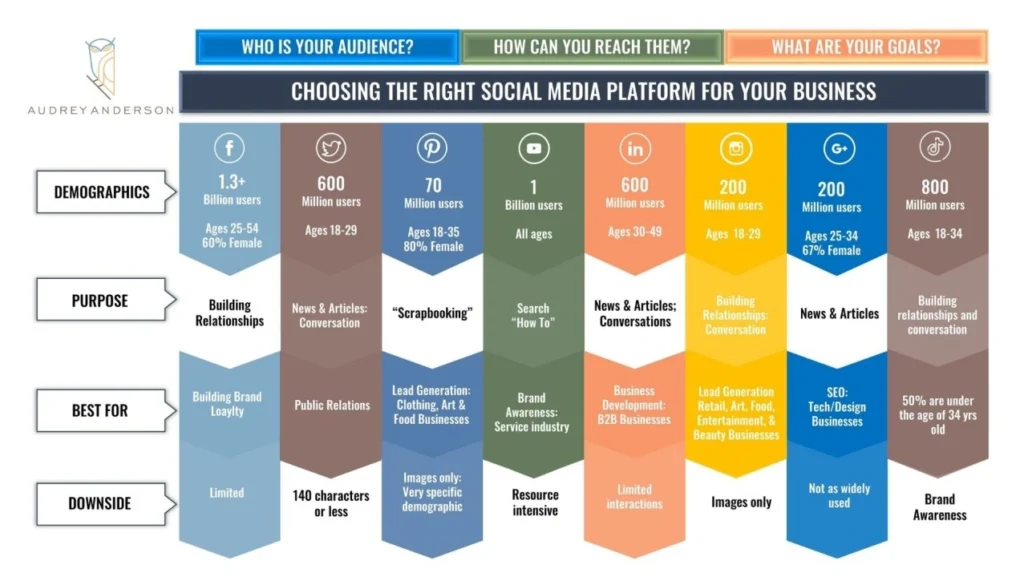
Image Source: LinkedIn
Your content calendar’s success depends on picking the right social media platforms. You don’t need to be everywhere – it’s better to focus on platforms where your audience spends their time rather than trying to maintain a presence on all of them.
Select platforms based on audience behavior
Your platform choices should stem from demographics. Facebook will likely reach over 3.1 billion monthly active users by 2027, making it the world’s largest platform. The engagement rates tell a different story across age groups though. People aged 25-34 make up 31.1% of Facebook users, while younger audiences prefer platforms like TikTok and Snapchat.
These demographic patterns paint an interesting picture:
- Instagram: Users under 35 dominate (60%), and the 18-24 age group represents 31.7%
- TikTok: Gen Z loves it for news (63%) and product discovery (77%)
- LinkedIn: Millennials make up most of the professional user base
- Pinterest: Gen Z now accounts for 52% of global users
Your target audience’s preferred platforms should be the foundation of your content calendar. This focused approach creates deeper connections than spreading yourself thin across every network.
Match content formats to platform strengths
Each platform has unique features that keep users coming back. Your content calendar should utilize these platform-specific strengths through the right content types.
Videos rule Facebook, followed by images and text posts. Many brands still see great results with simple text posts that spark conversations. The platform excels at community building and customer support, especially with Millennials, Gen X, and Boomers.
Short videos under 15 seconds work best on Instagram, followed by static images and longer videos (15-60 seconds). This visual platform needs eye-catching content that feels genuine and matches its esthetic standards.
Professional content shines on LinkedIn – text posts and static images get more engagement than other formats. Your calendar entries here should showcase expertise, industry insights, and professional development content.
Platform preferences change constantly. TikTok users engage most with 15-30 second videos, though Buffer’s research shows longer videos typically get more views.
Use content pillars to guide planning
Content pillars add essential structure to your social media calendar. These core themes turn random posts into strategic messages that strike a chord with your audience.
You should build 3-5 content pillars that match your brand values and what interests your audience. Too many pillars water down your message, while too few limit creativity.
Posting without defined pillars feels like “throwing spaghetti at the wall”. Content pillars help boost engagement because your posts connect with followers about topics they care about.
These themes should work across your social strategy with slight tweaks for each platform. Research shows brands that post at least five times weekly around established themes grew their audience 2-3 times faster than inconsistent posters.
A mix of planning and flexibility works best. Content pillars guide you without restricting spontaneity, which makes your social media calendar both structured and adaptable as audience tastes change.
🚀 Save 10 Hours Per Week on Content Creation
Stop wasting time on manual content creation. Runnwrite AI generates perfect social media posts AND SEO blog articles automatically.
Build Your Social Media Editorial Calendar

Image Source: Smartsheet
Your social media editorial calendar turns plans into action. This backbone of your strategy brings consistency to your posting schedule.
Decide on weekly or monthly views
Your team needs a predictable schedule to line up content and keep everything balanced. Teams typically schedule content weekly, biweekly, or monthly based on their needs. Weekly planning gives you enough structure to run campaigns while staying flexible with trending topics.
Monthly views work better for long-term campaigns and seasonal content. Think over your team’s workflow and content volume before picking your planning rhythm. Both approaches can work well if they give you the right balance of structure and flexibility.
Include key fields like date, platform, and status
Your social media content calendar needs these basic fields to work:
- Date and time for each post
- Platform designation (Facebook, Instagram, LinkedIn, etc.)
- Content format indicators (video, carousel, text post, etc.)
- Post copy or link to draft content
- Visual assets or links to media files
- Post status (drafted, awaiting review, approved, published)
- Team member assignments for accountability
- UTM parameters for tracking performance
Many teams use color coding to mark different content types, pillars, or campaign themes. This visual system makes your calendar available to everyone and cuts down confusion.
Use a social media content calendar template
Building from scratch can feel daunting. Templates are a great way to get started quickly. You’ll find many free social media content calendar templates online. These ready-to-use frameworks give you instant structure.
Pick what works for you:
- Spreadsheets: Excel or Google Sheets give you flexibility and easy customization
- Project management tools: Platforms like Notion make shared workflows possible
- Dedicated social tools: Solutions that combine planning and scheduling features
The best template helps you build a reliable publishing schedule with content types, post title, links, copy snippets, and publishing dates. Your calendar doesn’t need fancy features—it just needs to match your specific needs.
Note that your social media content calendar grows with you. As your strategy changes, you’ll adjust your calendar’s format and fields to fit your team’s workflow and goals better.
Organize Assets and Plan Campaigns
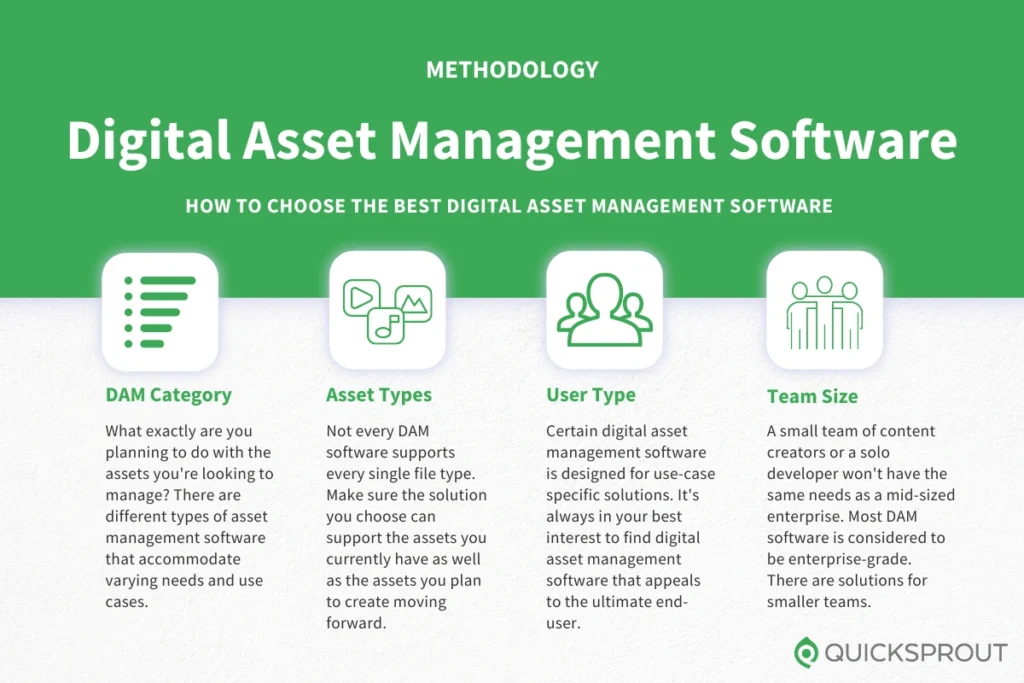
Image Source: Quick Sprout
Social media needs consistent visual branding, and managing these assets is vital. Your planning will generate lots of images, videos, and graphics that need organization.
Create a shared asset library
A centralized asset library puts an end to files sitting “on a hard drive under Cindy’s desk” or scattered across personal devices. Your team gets quick access to approved, on-brand content without last-minute rushes or using old materials.
Here’s how to build a useful asset library:
- Keep all social media assets in one available spot
- Upload content from desktop, mobile, or cloud storage services
- Use consistent file names
- Set up separate folders for each client or campaign
- Add clear details to each asset so you can find them
Most social media platforms come with built-in media libraries where teams upload, store, and manage content in one place. This makes the workflow smooth and everyone uses the same approved materials.
Tag assets by campaign or theme
Good labeling in your asset library makes everything easy to find. Your team will locate specific images or videos faster when they plan content.
These tagging strategies work well:
Sort assets by content pillars, campaigns, or product lines. Sprout Social’s Asset Library uses tags that help organize assets by campaign. The library stays organized with folders based on campaigns, content types, or themes.
File metadata helps with organization and makes finding specific assets simple. This helps you find relevant assets automatically when creating new campaigns.
Plan around product launches and events
Your social media calendar should merge with bigger marketing campaigns. This arrangement helps keep messages consistent on all channels while showcasing each phase of a product launch or event.
Product launches need a systematic calendar that builds momentum through well-timed posts. The plan should include key messaging points, posting schedules for each platform, and different content themes.
Turn product features into stories that speak to your audience’s dreams and problems. Create excitement with teasers that show just enough without giving everything away.
A social media calendar helps your team coordinate timing, content, milestones, and deadlines. This detailed planning supports each phase of your launch or event.
Set Up Approval Workflows and Collaboration

Image Source: Planable
Successful social media calendar management needs clear collaboration processes as its foundation. The best content can get stuck in endless feedback loops or contain errors without well-laid-out approval workflows. You need efficient approval systems for your calendar.
Assign roles and responsibilities
Clear role definition starts effective collaboration. Your team must know who creates content, reviews it, and gives final approval. We worked with content creators, copy editors, designers, marketing managers, and social media schedulers as our core team.
A formal workflow helps identify each person’s role in the content experience. Your approval process needs mapping to highlight key stakeholders who create, review, and publish social content. Team members learn to own their tasks with this approach.
Collaboration becomes smoother with clear responsibilities, which helps prevent the burnout that social media roles often face.
Use tools to streamline approvals
The right tools can reshape the scene from messy email threads to efficient workflows. Look for platforms with these key features:
- Multi-level approvals: Content moves through preset review stages
- Role-based permissions: You retain control over who drafts, edits, comments, or approves content
- Automated notifications: Team members get alerts when content needs review
- Commenting functionality: Teams can give feedback directly on post drafts
Platforms like Sprout Social offer built-in message approval workflows. Planable provides a multi-level approval system. These tools save time by putting all feedback in one place.
Enable external stakeholder reviews
External approvals from clients, legal teams, or other departments can create bottlenecks. Clear communication rules with external stakeholders should include response times and feedback expectations.
A structured onboarding helps reviewers understand their workflow role better. Modern collaboration platforms let clients and stakeholders give feedback directly in your content calendar system.
White-labeled approval portals create a professional experience for agencies with multiple clients while protecting workflow integrity.
Schedule, Automate, and Optimize Posting
A consistent posting schedule forms the foundation of good social media management. After completing your planning phase, you can start implementing your content calendar.
Use scheduling tools for consistency
Scheduling tools help teams keep a reliable presence across platforms without daily manual posting. You can upload multiple posts at once, plan weeks ahead, and keep content flowing even when offline. Research shows that consistent posters see up to 5x more engagement per post compared to sporadic publishers. Popular features include:
- Content queues that maintain steady posting during peak times
- Bulk scheduling to plan up to 350 posts at once
- Shared calendars that help teams coordinate
Make the most of peak posting times
Post timing has a big effect on performance. Peak engagement hours on social media usually fall between 10 a.m. and 5 p.m. Tuesday through Thursday. In spite of that, each platform shows different patterns—LinkedIn works best weekdays between 10 a.m. and noon, while Instagram peaks between 10 a.m. and 3 p.m..
Rather than following general trends, you can use AI-powered features like Sprout Social’s ViralPost® or Hootsuite’s Best Time to Publish that analyze your audience’s specific data. These tools look at your last 30 days of publishing history to find the perfect posting times for your followers.
Automate recurring content
Advanced automation can streamline your calendar beyond simple scheduling. You might want to automatically reuse your best evergreen content to fill schedule gaps. Setting up recurring posts for weekly themes or regular features requires no manual work.
Automated posts often perform as well as—sometimes better than—manually published content. Strategic automation combined with analytical timing turns your social media calendar from a simple planning tool into a powerful system that delivers results consistently.
Track Performance and Refine Your Strategy

Image Source: Klipfolio
A social media content calendar does more than help you plan – it gives you data to measure and improve your strategy. You can turn random posting into calculated, results-focused content by tracking the right metrics.
Monitor engagement and reach
Good social media calendars help you track performance across networks. We focused on measuring:
- Engagement rates (likes, comments, shares)
- Reach and impressions
- Click-through rates
- Conversions and audience growth
These indicators show how well your content strikes a chord with your audience. High engagement shows that your content lines up with what your followers want to see.
Use analytics to improve content
Raw numbers turn into applicable information through social analytics. You can spot which approaches give the best results by labeling posts by campaign, content pillar, or format. Content pattern analysis reveals significant trends – educational videos might soar on LinkedIn while meme-style content flops.
Adjust calendar based on results
Your content calendar should grow with your performance data. Take time weekly or monthly to check analytics and tweak your strategy. Looking at metrics like likes, shares, comments and click-through rates gives you a detailed view of how your content works.
Your calendar refinements should focus on building awareness and community – social media’s main goal. The most polished calendar only works when you optimize it continuously using analytical insights.
Conclusion
A social media content calendar turns random posting into strategic communication that delivers ground business results. This piece walks you through each step to build a calendar system that works for your team and goals.
Note that your content calendar does more than schedule posts. This organizational hub links your content strategy to business objectives. Each post contributes to audience growth and participation. Data shows that brands with well-planned calendars get substantially better results than those posting randomly.
Your calendar grows with your strategy. The simple steps come first – clear goals, right platforms, and organized content pillars. Once you master these basics, you can add advanced features like detailed approval processes, automation rules, and performance tracking.
Our free template offers a solid foundation to start your experience without starting from scratch. You can customize it to match your needs and adjust elements as requirements change.
Your social media content calendar should be dynamic, not rigid. Regular analysis of performance metrics shows which content types appeal to your audience. These analytical insights help you fine-tune your approach. You can create more successful content while removing what fails to perform.
Consistency is the life-blood of social media success. A well-designed content calendar maintains that consistency during hectic periods when posting might get overlooked. This structure saves mental energy for creating exceptional content instead of rushing to decide what to post next.
Want to revolutionize your social media strategy? Download our template today and create a content calendar that adds structure, purpose, and measurable results to your social media work.


